

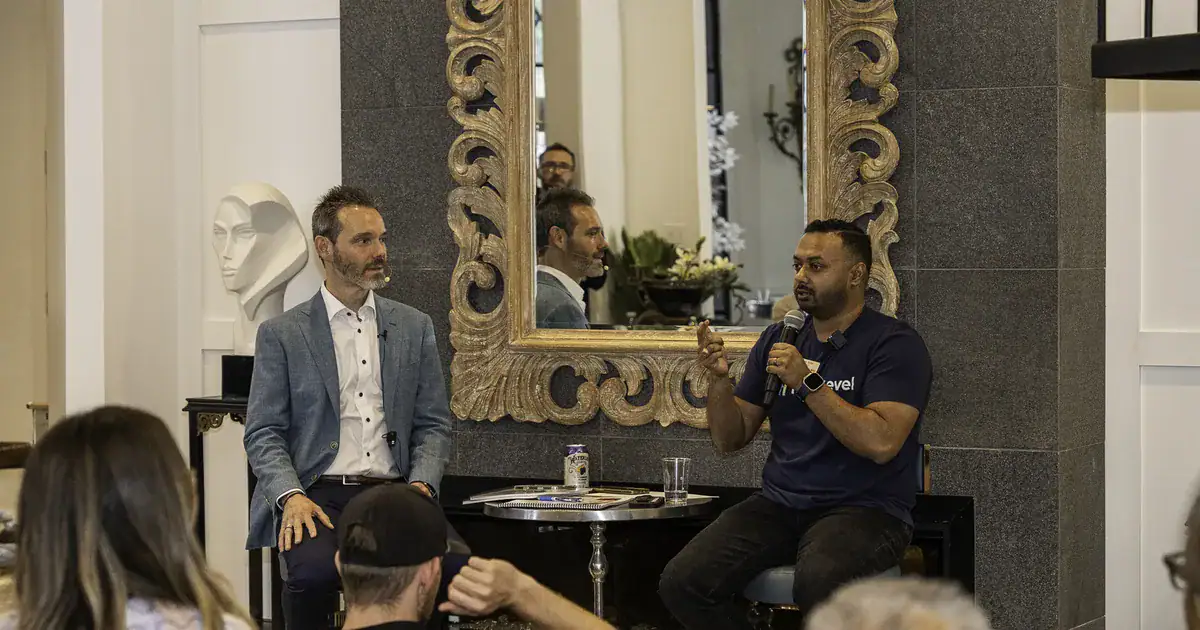
I’m Charles Byrd, a partnership and joint venture strategist, and I speak to entrepreneurs, executives and curated communities about how trust, relationships and structure drive growth. Hosts book me when they want an audience to leave thinking differently about who they build with, rather than carrying home another list of tactics.
That’s the pitch in two sentences, and if it’s what your room needs, the speaking request form is the fastest way to reach my team. The rest of this page is for the host who wants to know more before asking.
The Subject I Bring to a Stage
Growth rarely stalls for the reasons people expect. My talks look at why certain strategies stall, why execution breaks down, and why growth feels harder than it should, and then at how trust, partnership and intentional structure shape the outcomes everyone is chasing.
That perspective comes from two places. I spent years in Silicon Valley helping build and scale systems inside a billion-dollar company, which taught me how structure and execution work at scale. Outside the dashboards, I kept noticing that the biggest opportunities didn’t come from funnels or tactics. They came from people who trusted each other. There’s more on that path on my background page.
For the past decade I’ve worked closely with founders, executives and high-performing entrepreneurs on exactly that question, and it’s the same thinking behind the DealFlow System, the eight-week program I run for entrepreneurs who want partnerships to become a dependable source of opportunity.
The Rooms I’ve Shared
I’ve shared the stage with Joe Polish, founder of Genius Network, Dr. Robert Cialdini, founder of the Cialdini Institute, Ryan Deiss, founder and CEO of The Scalable Company, Aleric Heck, founder and CEO of AdOutreach, Roland Frasier and Sharon Lechter, CEO of Pay Your Family First and author of Rich Dad Poor Dad.
I also turn up as a podcast guest when a host wants to go deep on partnerships. Two examples are The WHY Institute’s episode on building joint venture relationships with trust and episode 386 of Mike Malatesta’s podcast, on using joint ventures to build a profitable business. I’ve written about why I value those appearances in a post on using stages and podcasts to grow.
What an Audience Leaves With
Audiences don’t leave my sessions with a list of tactics to implement. They leave with a clearer understanding of how trust, relationships and structure shape growth, opportunity and execution, and that shift keeps changing how they think, collaborate and decide long after the event ends.
In practice that means a founder walks out asking different questions. Who already trusts me and hasn’t been asked to help? Which of my relationships could become a partnership with a little structure? What would change if I spent next quarter’s ad budget on building those instead?
Topics Hosts Can Ask Me to Cover
Every talk is shaped to the room, but most sit inside a few themes that run through all of my work.
- Why growth stalls even when the offer is strong, and what trust has to do with it
- How partnerships become a dependable channel instead of a lucky break
- Where execution breaks down between a good conversation and a signed deal
- How founders build networks where opportunity circulates on its own
For a podcast, those themes usually become a conversation about a host’s own audience and the relationships behind it. For a keynote or a private leadership session, I’ll talk with you beforehand about who’s in the room and what you want them thinking about on the drive home, and build from there.
How I Run a Session
My talks are adaptive and shaped by the room. I spend less time on scripted delivery and more on real conversation, because the insight that lasts usually comes from the questions an audience brings rather than the slides I bring.
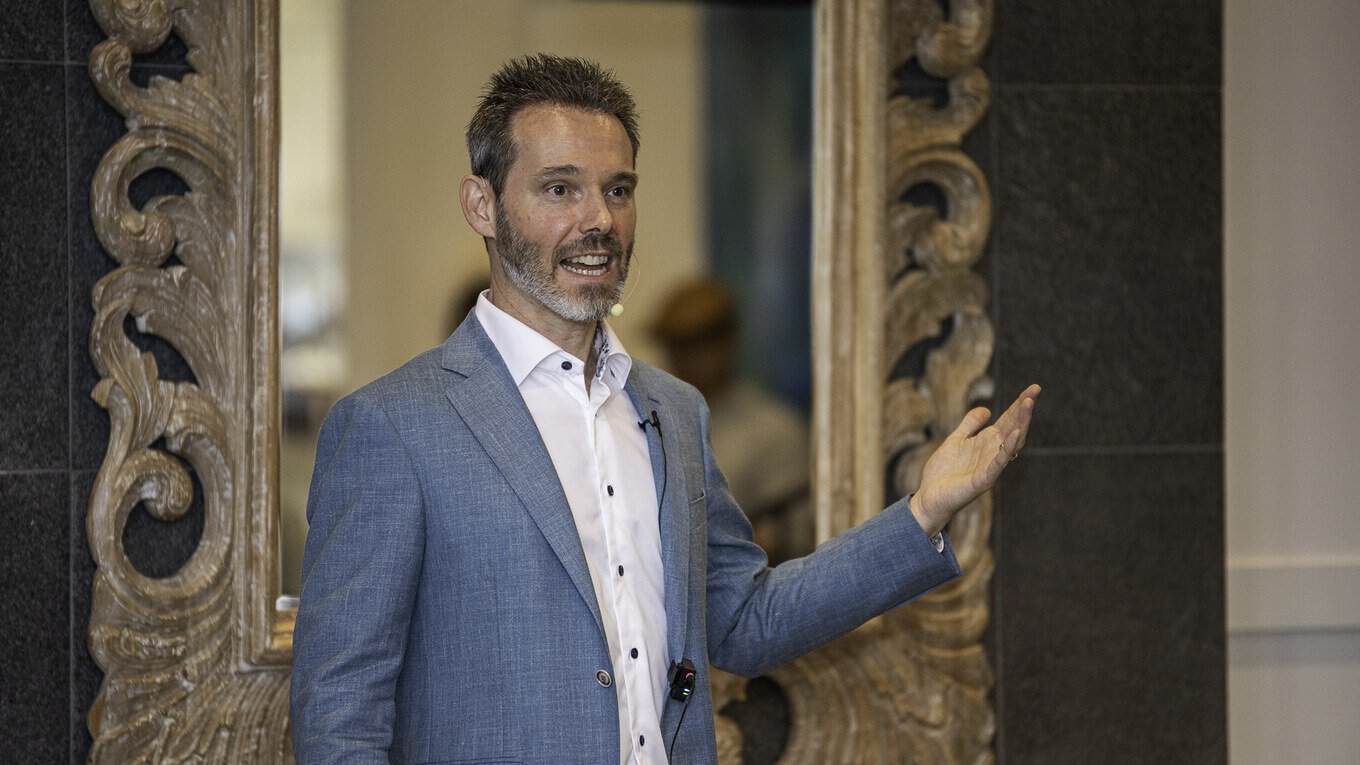
I speak to executive audiences, curated communities and private organizations, including high-level entrepreneurial and leadership environments. The same approach runs through the Flow Mastermind gatherings I host, where the program is built around relationships and feedback rather than pitching.
Before an event I want to understand who’ll be in the room, what they’re wrestling with, and what the host hopes changes afterward. That conversation shapes the examples I use and the questions I leave space for. Afterward, I’m glad to stay for the conversations that follow a talk, because that’s often where an audience member works out what the ideas mean for their own business.
What Hosts and Clients Have Said
Jay Fiset, founder and CEO of Jay Fiset & JVology, put it this way on my speaking page. “He’s brilliant, he’s smart, he’s got a wicked sense of humor.”
He added that “he takes care of people and he does it stunningly well!” That second line matters to me more than the first, because it’s the part a host feels after the event, when the audience follow-up starts.
Booking Me for Your Event
Speaking events, podcasts and other media requests all go through one form on my speaking and media page, where you can also download my media kit and watch a sizzle reel before you decide. Tell my team about your audience, the format and the date you’re holding, and they’ll come back to you about fit. If you’d like a sense of who you’ll be dealing with, the people behind the scenes are on the team page.
The best rooms for this talk are full of entrepreneurs and leaders who already suspect that growth is a relationship problem as much as a marketing one. If that describes your audience, I’d like to hear from you.